Source Thermal Insulation Aluminized Film Bag for Cold Chain
Find 30 thermal insulation aluminized film bag options from Chinese manufacturers. Compare features like thermal protection, durability, and customization to select the right packaging for cold chain transportation and express delivery needs; compare the available evidence and request quotations based on your requirements.
Key considerations
Products List
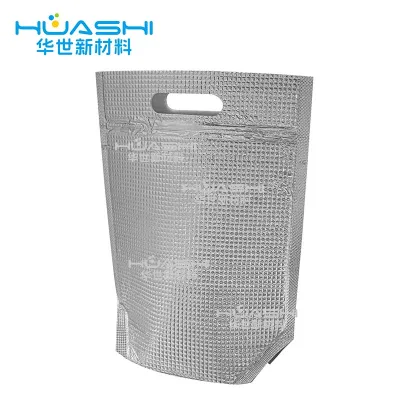
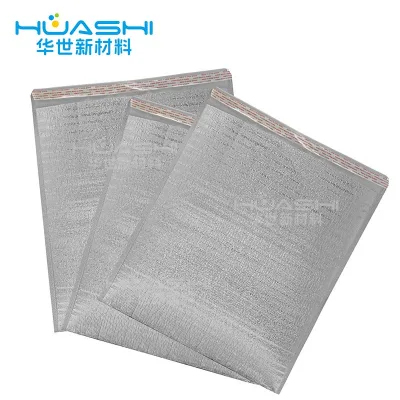


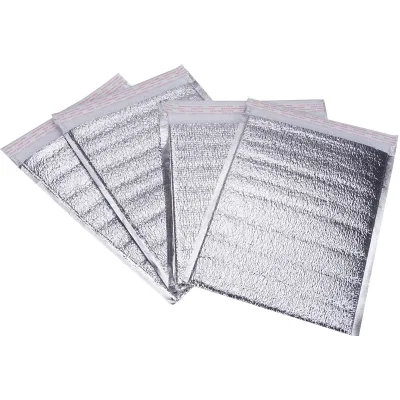


Comprehensive Sourcing Guide
Thermal Insulation Aluminized Film Bag Sourcing Guide
Buyers must first distinguish between the specific product variants available, as the market lists distinct items like the Aluminized Pearl Cotton Bag and the Aluminized Bubble Bag under this broad category. The observed listings indicate a primary focus on food-grade applications, with some suppliers also citing agriculture, apparel, and pharmaceutical uses. This distinction is critical because the material composition differs significantly between the BOPET-based pearl cotton options and the PA+VMPET+LDPE bubble structures, directly influencing their suitability for specific cold chain or express logistics scenarios.
Procurement teams should verify the exact functional layer composition before placing orders, as the listed products utilize different barrier technologies such as VMPET or aluminum foil layers. While the core keyword implies thermal insulation, the actual performance depends on whether the bag is designed as a foldable, insulated pouch or a sealed, shockproof container. Understanding these structural differences ensures that the selected packaging aligns with the specific temperature control requirements of the supply chain, whether for short-term transport or extended storage periods.
Product Scope and Observed Listing Signals
The observed product range reveals a diverse set of specifications, with model numbers like HS-3, HS-8, and JFX indicating distinct manufacturing lines from suppliers in Shandong and Jiangsu provinces. Buyers will encounter variations in sealing methods, including flat bag packaging, self-adhesive, and zipper closures, which dictate the ease of use and reusability for different logistics workflows. The presence of customizable patterns and colors suggests that branding opportunities exist, but the core utility remains centered on thermal protection and physical durability during transit.
Price observations show a wide range from $0.03 to $1.50, reflecting the variance in material thickness, layer count, and customization complexity. Minimum Order Quantities (MOQs) fluctuate dramatically between 3 units and 20,000 units, requiring buyers to align their order volume with supplier capabilities. Some listings offer single-item selling units for sampling, while others enforce bulk thresholds, necessitating a clear strategy for initial prototyping versus full-scale production runs to manage cash flow effectively.
Technical Specifications to Verify
Verification of the material stack is the most critical technical step, as products are described with specific layers like BOPET, KPET, and VMPET combined with LLDPE or LDPE heat seals. Buyers must confirm that the aluminum foil content is sufficient to provide the claimed thermal insulation and waterproof properties, especially since some listings specify a "Functional Layer" while others emphasize a "Layered" structure. The hardness is generally noted as soft, which aids in conforming to irregular cargo shapes, but the opacity and transparency levels must be checked to ensure light-sensitive contents are fully protected.
Dimensional and sealing specifications require precise validation against the intended cargo size and environmental conditions. The listed products offer customized sizes and thicknesses, yet the lead time of 10-15 working days after design confirmation means that any errors in dimensioning can cause significant delays. Buyers should also verify the printing craft capabilities, such as flexo or offset printing, to ensure that logos and handling instructions adhere securely to the surface without compromising the integrity of the thermal barrier.
Compliance and Safety Documentation
While the supplied facts confirm the products are suitable for food and pharmaceutical industrial uses, buyers must request specific documentation proving compliance with relevant regional safety standards. The mention of food-grade applications implies a need for migration testing results, yet no specific certification numbers or standard codes are provided in the listing data. Procurement teams should explicitly ask for certificates of analysis or compliance statements that verify the materials do not leach harmful substances into food products during thermal stress or long-term storage.
Safety documentation must also address the physical integrity of the packaging under stress, particularly for cold chain transportation where temperature fluctuations are common. The listed features include shockproof and waterproof claims, but these should be backed by third-party test reports rather than manufacturer assertions alone. Buyers should ensure that the supplier can provide evidence that the sealing methods, whether ziplock or heat-sealed, maintain their integrity under the specific pressure and temperature conditions expected in the target market.
Cost Drivers and Commercial Terms
The cost of these thermal bags is driven primarily by the complexity of the multi-layer construction and the extent of customization required for branding and dimensions. Suppliers offering custom colors, sizes, and printing crafts typically command higher prices and longer lead times compared to standard silver or single-color options. The observed MOQs range widely, meaning that smaller buyers may face higher per-unit costs or need to consolidate orders with other clients to meet the minimum thresholds set by manufacturers in China.
Commercial terms vary significantly, with payment methods like T/T being standard and sample acceptance policies differing by supplier. Buyers should clarify whether the quoted price includes the cost of custom tooling for printing plates or if these are charged separately. Additionally, the lead time of 10-15 working days after design confirmation must be factored into the overall supply chain schedule, as any delays in design approval will directly impact the delivery date and potentially disrupt downstream logistics operations.
Supplier Qualification and Quality Control
Supplier qualification should focus on verifying the origin of the materials and the consistency of the manufacturing process across different production batches. The listings indicate origins in Shandong and Jiangsu, but buyers must confirm that the specific factory producing the order adheres to the same quality control protocols as the samples provided. It is essential to validate that the "Functional Layer" and "Basic Level" materials are sourced from reputable suppliers to ensure the thermal insulation properties remain consistent over time.
Quality control procedures must include rigorous checks on the sealing integrity and the adhesion of printed labels, as these are common failure points in insulated packaging. Buyers should request a quality assurance plan that details how the supplier tests for thermal performance, waterproofing, and shock resistance before shipment. Establishing a clear communication channel for resolving defects is vital, especially given the customized nature of the products, which makes post-production corrections difficult and costly.
Long-Term Procurement Checks
Establishing a long-term partnership requires regular audits of the supplier's ability to maintain consistent material quality and adhere to agreed-upon lead times. Buyers should implement a schedule for periodic re-testing of samples to ensure that the thermal insulation and barrier properties have not degraded due to changes in raw material sourcing or manufacturing processes. This proactive approach helps prevent supply chain disruptions caused by sudden quality drops that could compromise the safety of food or pharmaceutical shipments.
Continuous monitoring of market trends and pricing fluctuations is also necessary to maintain cost efficiency over the life of the contract. As the demand for cold chain solutions grows, suppliers may adjust their MOQs or pricing structures, requiring buyers to renegotiate terms periodically. Maintaining a diverse supplier base and keeping detailed records of performance metrics will provide the leverage needed to secure favorable terms and ensure a reliable supply of high-performance thermal insulation bags.
FAQs
What materials are used in a thermal insulation aluminized film bag?
A typical structure uses aluminum foil or a VMPET aluminized layer as the functional layer, combined with BOPET or KPET base films and an LLDPE or LDPE heat-seal layer. Some versions add PA for puncture resistance or pearl cotton for cushioning. The aluminized layer reflects radiant heat while the sealant layer enables secure bag sealing.
Can these bags be customized in size, thickness, and color?
Yes, customization is available. Listed products support customized thickness, customized size, and customized colors beyond the standard silver appearance. Printing is also accepted, with flexo, offset, or copperplate printing craft options and logo printing. Custom orders typically confirm a design first, and production starts after the design is approved.
How are thermal insulation aluminized film bags sealed and closed?
Sealing options include self-adhesive, ziplock, or open style, and zipper closure is available on some models. Flat bag packaging is the common bag sealing method, with the heat-seal layer made from LLDPE. Buyers should choose the closure type based on whether the bag is reused, resend, or heat-sealed after filling.
What applications are these insulated bags suitable for?
They are used for food as well as agriculture, apparel, and pharmaceutical industrial purposes. Typical uses include cold chain transportation and all kinds of express shipping, where thermal insulation, shockproof, and waterproof features protect contents. The soft, opaque, foldable structure also allows labels and self stick stamps to adhere securely.
What is the typical MOQ and lead time for custom orders?
One listed product states a MOQ of 5000 pieces and a lead time of 10 to 15 working days after the design is confirmed. Other listings show MOQs ranging from a few pieces to 20000 pieces depending on the item. Sample orders are accepted, so buyers can evaluate quality before committing to bulk production.
Which payment and packaging terms apply when ordering?
T/T payment is listed for these products. Standard packaging is a bag or box, and customized packing is available on request. Since selling units are single items, pricing is quoted per bag, with listed prices ranging roughly from 0.03 to 1.5 USD depending on model, size, and specifications. Confirm final terms with the supplier.
How does an aluminized bubble bag differ from an aluminized pearl cotton bag?
An aluminized bubble bag uses a bubble layer for thermal insulation and cushioning, while an aluminized pearl cotton bag uses pearl cotton foam as the insulating and shockproof layer. Both serve cold chain and express transport, but bubble bags are lighter and foldable, and pearl cotton bags offer firmer protection for heavier or fragile goods.
Where are these products manufactured and what models are available?
Listed products come from Shandong and Jiangsu in China under brand names such as Huashi and Pack. Model numbers include HS-3, HS-8, C-7, and JFX, with OEM customized models also offered. Buyers comparing options should verify each model's structure, thickness, and closure type, since specifications vary between listings.